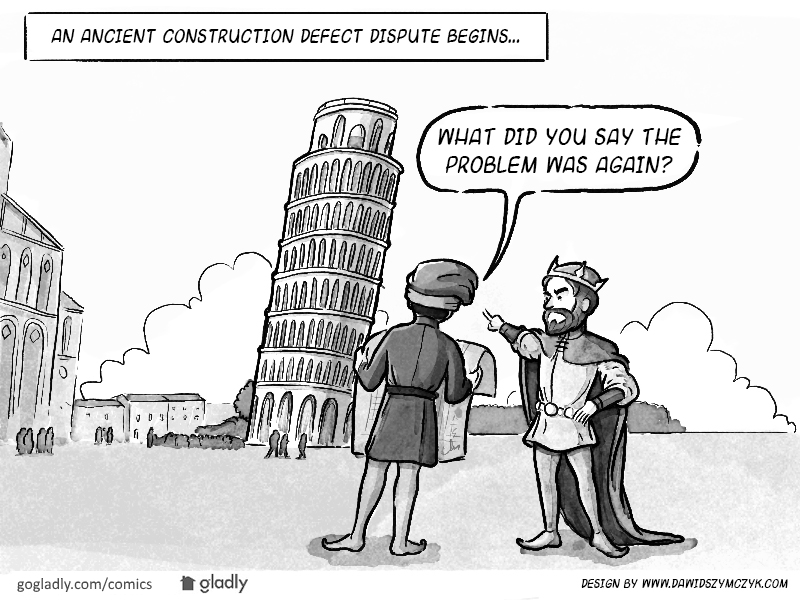
Construction defects are one of the most common causes of disputes and litigation in the construction industry, as there are often disagreements when it comes to identifying what construction defects are.
WHAT IS A DEFECT LIABILITY PERIOD?
When your new property is ready for keys collection, the developer will usually provide a warranty for construction defects, which can be found in your sale and purchase agreement.
For housing accommodation, the defect liability period typically lasts for 24 months (Schedule G) and 36 months (Schedule H). Within this period, you will need to check for any construction defects and report to the developer for rectification and make good of the defects at the cost and expense of the developer.
However, for commercial properties, it will be subject to the period stipulated in the sale and purchase agreement.
THREE MAIN CATEGORIES OF “CONSTRUCTION DEFECTS”
- Design deficiencies – Defect in the design of building or system. For example, a flawed roof design that results in inadequate structural support or causes water penetration.
- Material Deficiencies – This is caused by defective or damaged building materials which do not meet the quality requirement and do not last for the intended duration.
- Workmanship deficiencies – This happens when the construction involves poor workmanship, which may cause defects such as cracks in walls, pest infestation and plumbing leaks.
In short, answer these three main questions when you carry out defect inspection:
-
Does the property match what was promised by the developer?
-
Do all the fixtures and appliances work?
-
Is the workmanship satisfactory?
WHAT TO DO IF I FIND A DEFECT
If you find a defect, put label sticker near it, write the problem on it, and most importantly, take a photo of it. Report them to your developer. Generally, the developer will need to rectify the defects within a certain period. In some cases, a representative from the developer may revisit the site and ask you to point out the defects.
WHAT IF I WANT TO RENOVATE OR LEASE MY NEW HOUSE?
Some of you might be excited to undertake extensive renovations to your new property. In such cases, the developer is no longer liable for the subsequent defects of the property (for those changes made or renovated).
If you were to lease your property out, it must be clearly stated what type of renovations can be carried out by the tenant. This is because the conducts of the party undertaking renovations may fully discharge the developer from the obligation to remedy construction defects. The terms of the tenancy agreement need to be drafted carefully to suit the specific case.
… In a nutshell, the next time you buy a new property, be mindful of your rights in remedying construction defects. If you want to undertake renovations, be very careful so that the renovations will not void the terms and defects liability period given by the developer under your sale and purchase agreement.